

Personalized rhinoplasty designed to enhance facial harmony, support nasal structure, and deliver refined, natural-looking results. Trusted by international patients seeking safe, sophisticated care.

Years Experience

Expertise

Planning

Patient Care

Single Standard
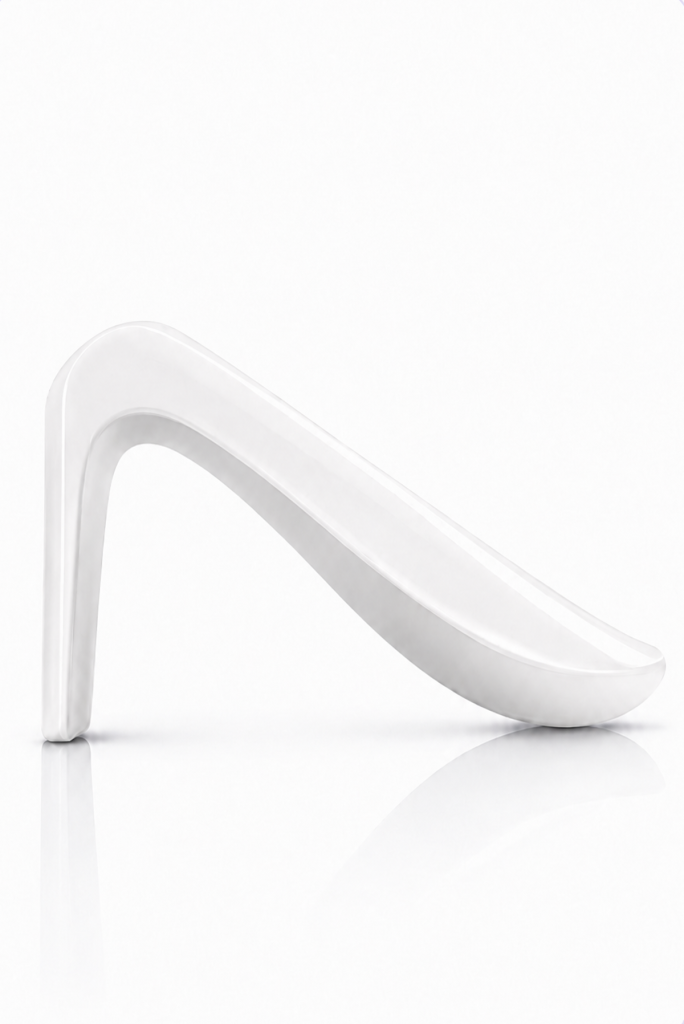
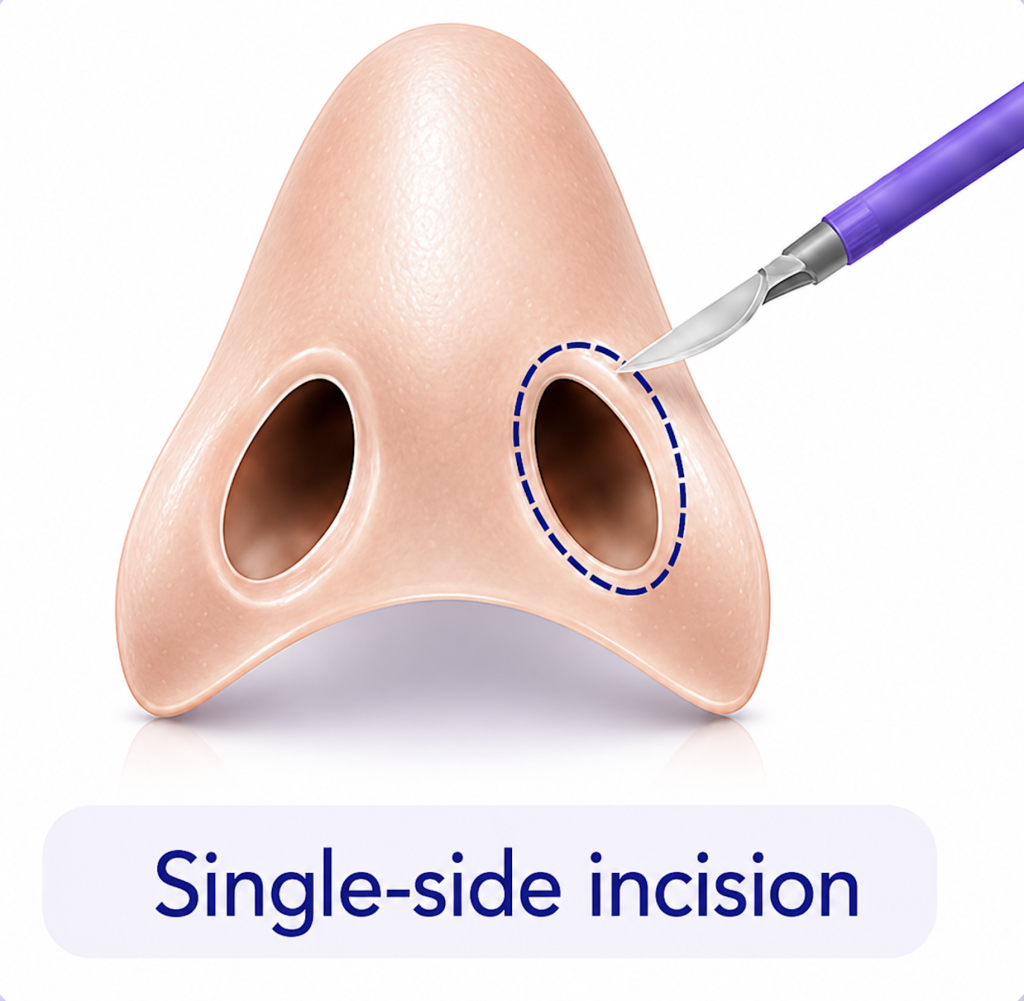
A concealed intranasal approach for straightforward dorsal augmentation and definition. It is typically used for simpler enhancement cases that do not require major structural reconstruction.

Patients with simple nasal-bridge concerns and minimal changes.

Tip Support / Reduced Perforation Risk
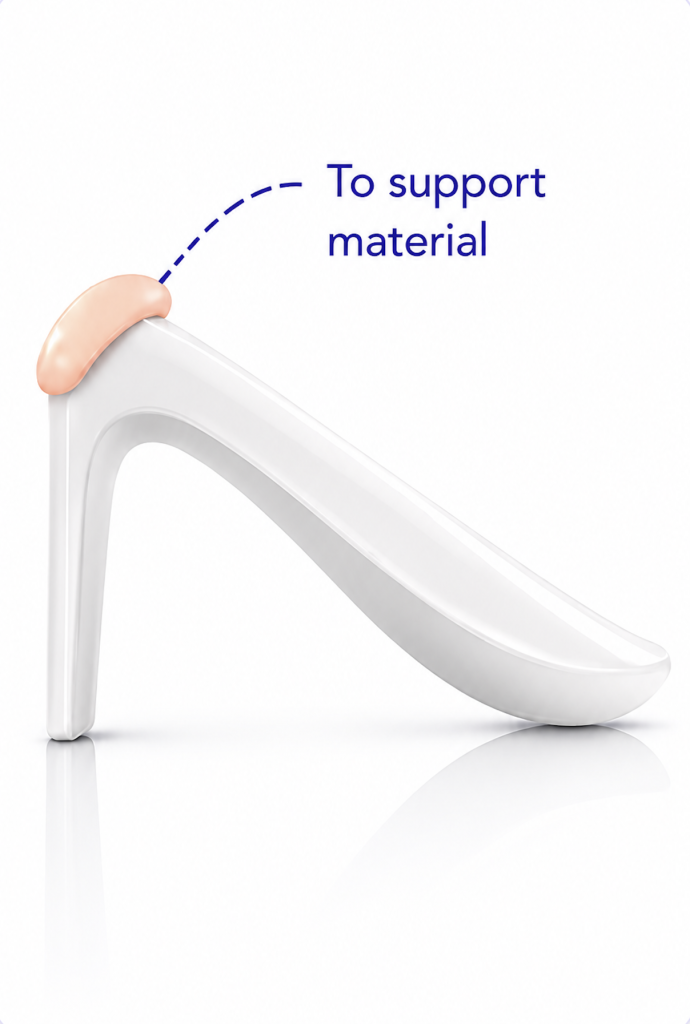
A one-sided intranasal augmentation combined with additional tip-support material to improve projection and reduce the risk of tip thinning or perforation.

Patients who need secure tip support or grafting for protection.

Mini Open + Ear Cartilage
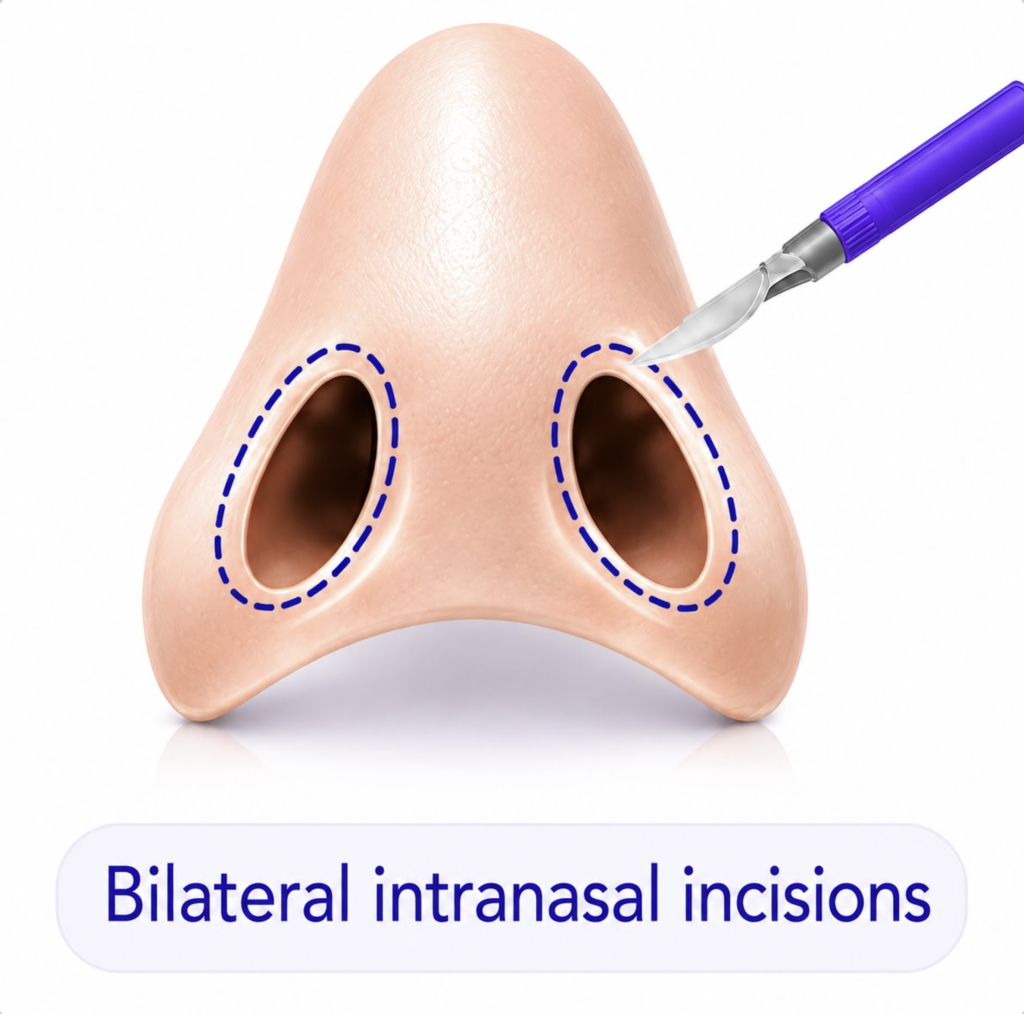
A limited open approach with bilateral marginal access for more precise tip refinement and better control. It may help address mild asymmetry and elevated nostril concerns.

Patients with moderate nose-shape concerns between subtle closed surgery and a full open approach.

Open Reforming + Ear Cartilage
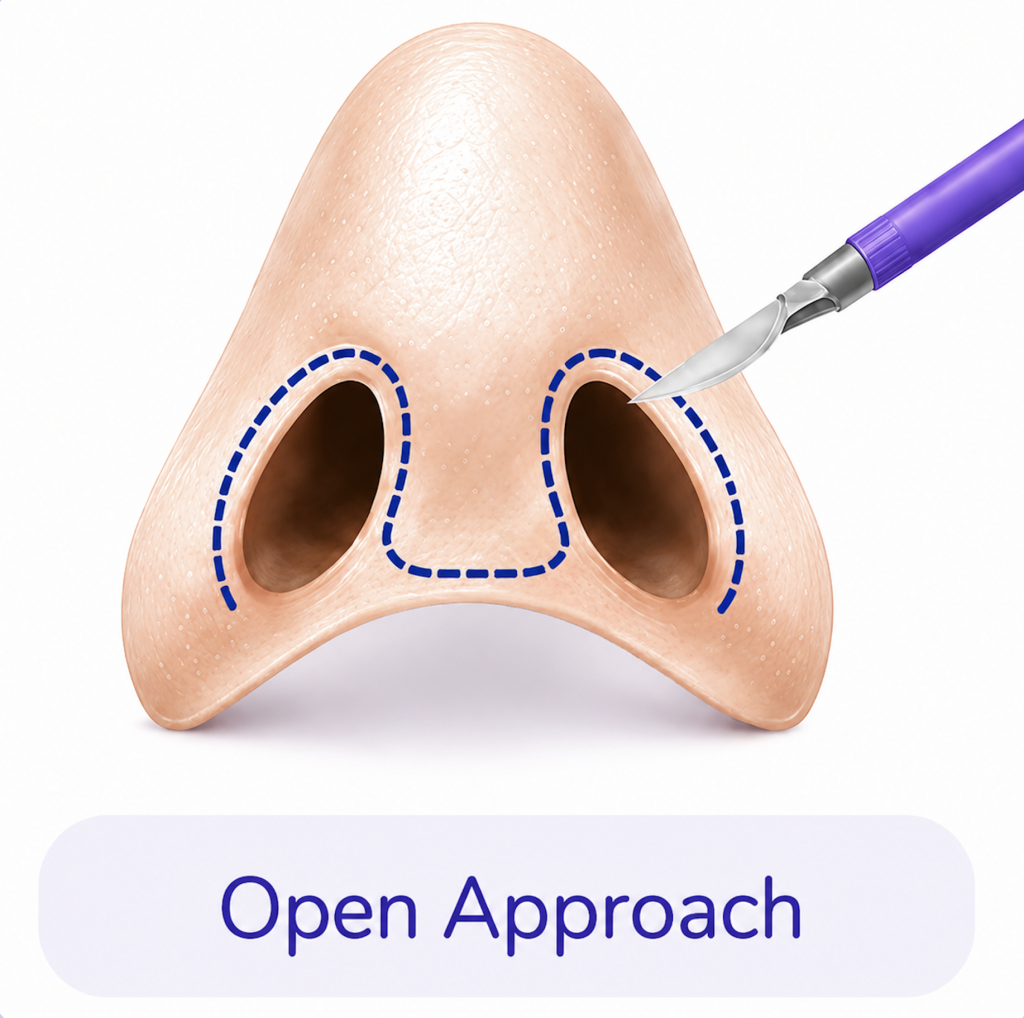
A full open approach used to reshape the nasal base and tip with improved visibility. It may include tip refinement, bidirectional suturing, tissue trimming, and ear cartilage support when needed.

Patients with asymmetry, short nose, or improved tip-projection needs.

Single Standard
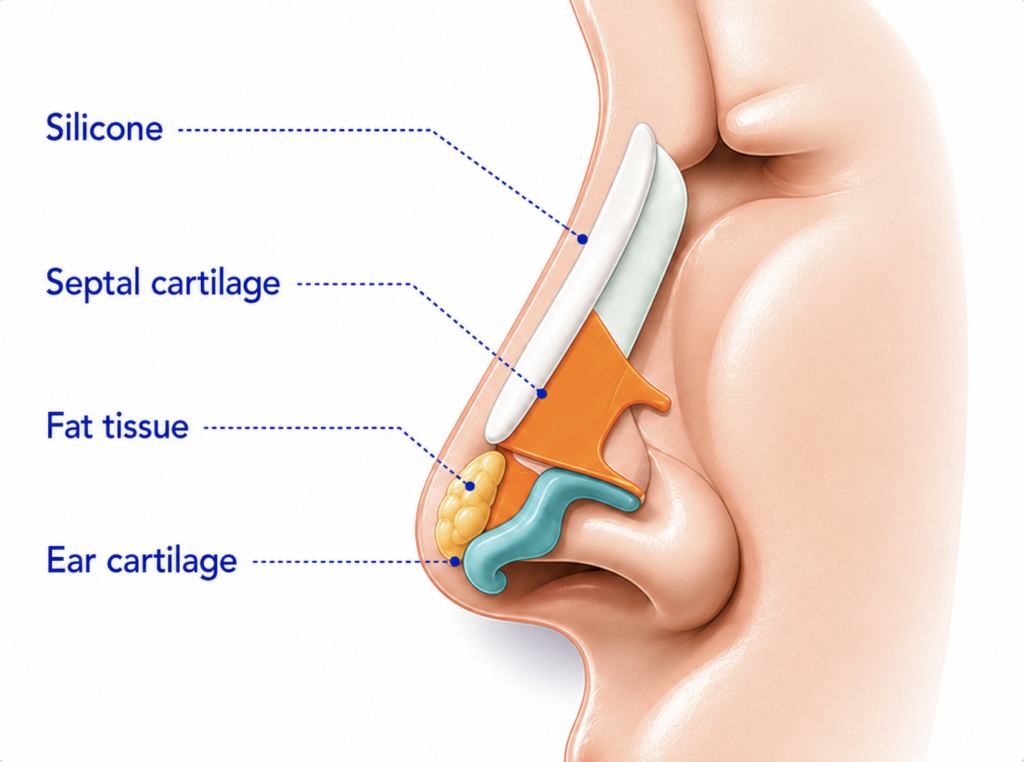
A structural rhinoplasty technique that uses septal cartilage to build and strengthen the central nasal framework. Additional ear cartilage or soft-tissue support may be added depending on the case.

Patients needing stronger support, better tip stability, or moderate structural correction.

Structural Correction: Double Graft
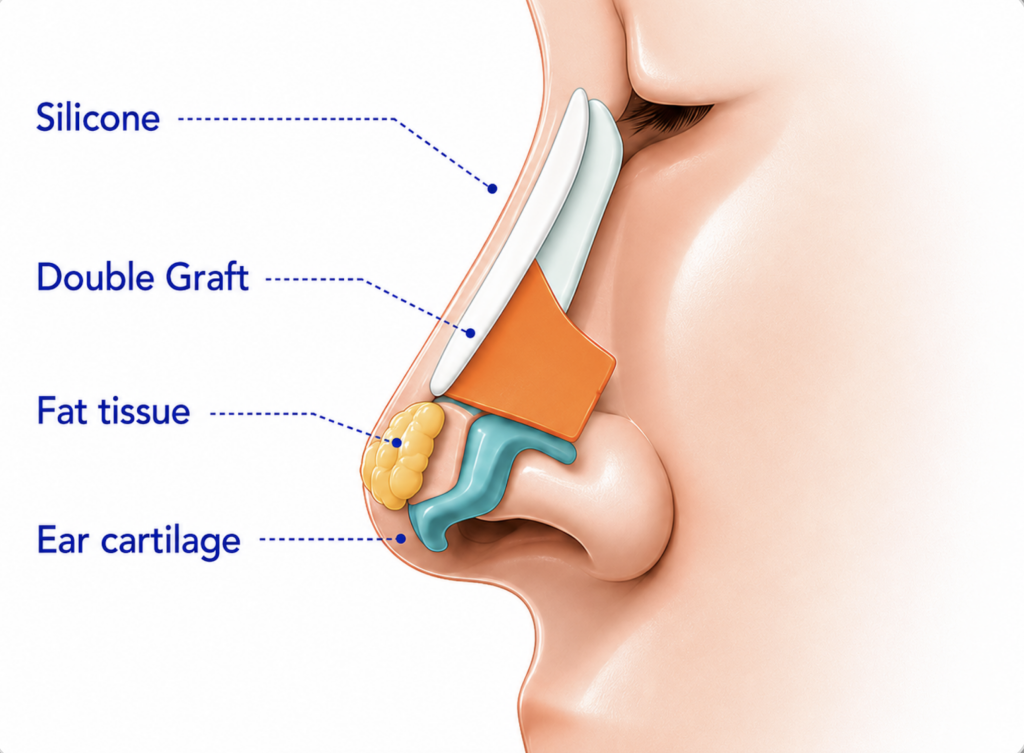
A structural technique that uses a double-graft support concept to increase strength, projection, and contour stability. It is often selected when stronger support is required than a standard structural approach

Patients needing stronger projection, enhanced support, or revision-oriented reinforcement.

Structural Correction: Autologous Rib Cartilage
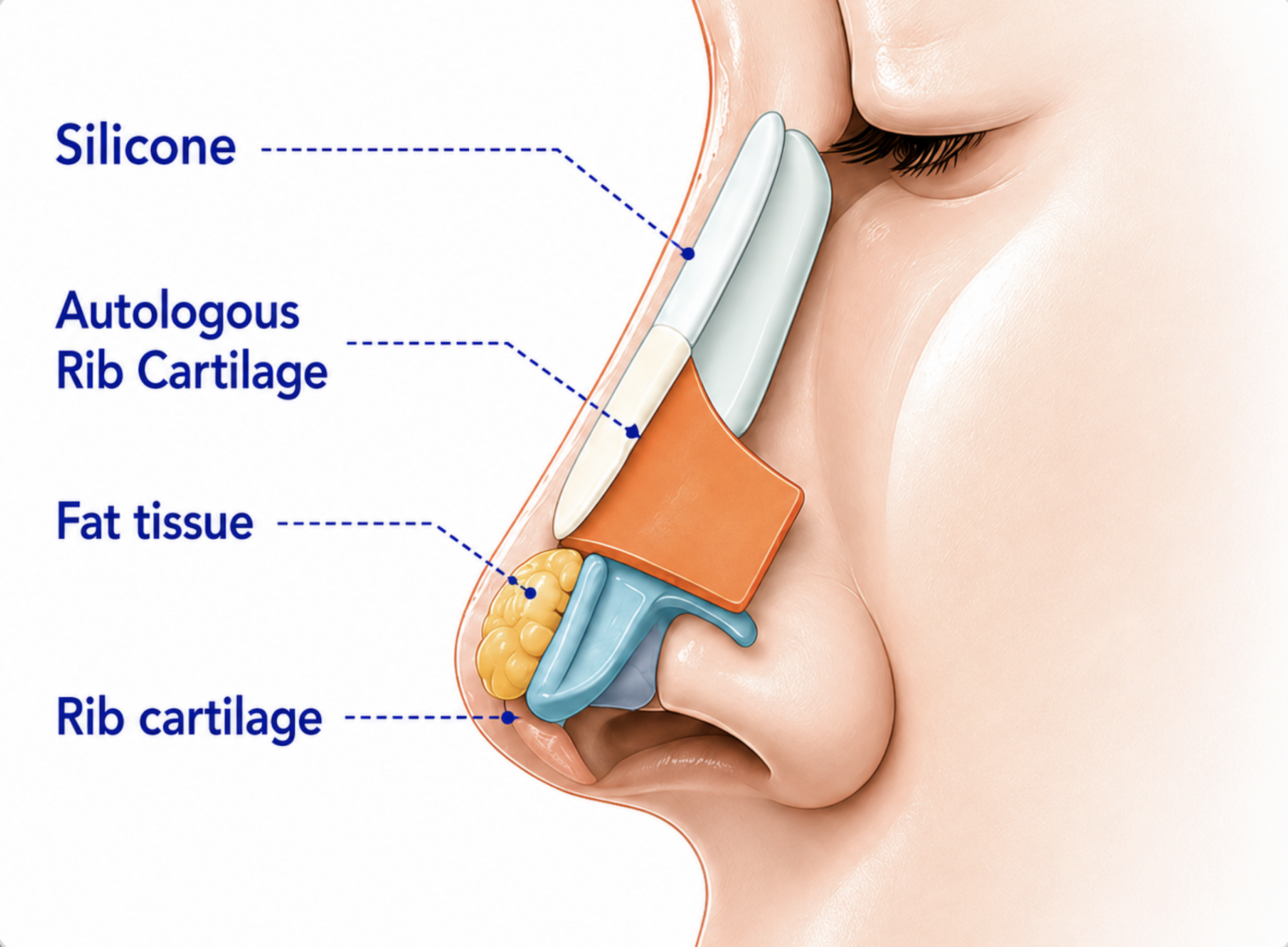
An advanced structural rhinoplasty technique that uses autologous rib cartilage when substantial support or greater graft volume is required. It is commonly chosen for complex or major reconstruction cases.

Patients needing major structural correction, complex revision, or additional graft material.

Best for: Patients who need stronger support, structural correction, major reshaping, or revision rhinoplasty.