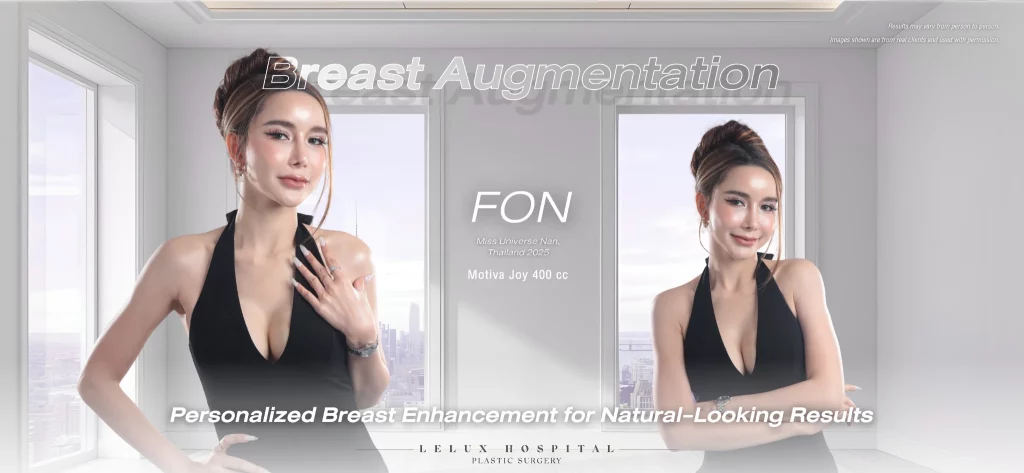

For women who want to enhance breast volume while maintaining a soft and natural appearance, breast fat transfer is an increasingly popular alternative to traditional breast implants.
Also known as fat grafting breast augmentation or autologous fat transfer breast augmentation, this procedure uses the patient’s own fat from areas such as the abdomen, thighs, or hips, which is processed and carefully transferred into the breasts to improve fullness and shape.
Unlike breast augmentation with silicone implants, breast fat transfer does not require the placement of an artificial implant. It may be suitable for patients who prefer a more natural approach and want a subtle increase in breast volume.
At Lelux Hospital Thailand, breast fat transfer is planned according to each patient’s body structure, available fat volume, breast condition, and aesthetic goals. A consultation with a qualified plastic surgeon is important to determine whether this technique is suitable for each individual.
What Is Breast Fat Transfer?
Breast Fat Transfer (Fat Grafting Breast Augmentation) is a cosmetic breast enhancement procedure that uses fat collected from another area of the patient’s own body.
The procedure involves three main steps:
- Fat Harvesting
Excess fat is collected from areas such as:
- Abdomen
- Thighs
- Waist
- Hips
- using liposuction techniques.
- Fat Processing and Purification
The collected fat undergoes a purification process to separate high-quality fat cells from fluids and unwanted components. - Fat Injection into the Breasts
The purified fat is carefully injected into the breast tissue to improve breast volume, contour, and softness.
Because the procedure uses the patient’s own fat, it provides a natural feel and avoids placing foreign materials inside the body.
Who May Be Suitable for Breast Fat Transfer?
Breast fat transfer may be suitable for patients who:
Want a Natural Breast Enhancement
Patients who prefer a softer and more natural-looking breast appearance without silicone implants may consider this option.
Want a Small to Moderate Increase in Breast Size
Breast fat transfer is commonly suitable for patients who want approximately:
- Half cup to one cup size enhancement
The amount of volume increase depends on available fat and individual anatomy.
Have Sufficient Fat for Transfer
Patients should have enough excess fat in areas such as:
- Abdomen
- Thighs
- Hips
- Waist
to collect and process for breast enhancement.
Are Concerned About Silicone Implants
Patients who prefer not to use artificial implants may choose fat transfer as an alternative option.
Who Should Consult a Doctor Before Breast Fat Transfer?
Some patients may require additional medical evaluation before considering this procedure, including:
Very Thin Patients
Patients with very low body fat may not have enough fat available for transfer.
Heavy Smokers
Smoking may affect blood circulation and the survival of transferred fat cells.
Patients Wanting Significant Breast Enlargement
Patients who want a large increase in breast size may require other options, such as breast implants, depending on medical evaluation.
Benefits of Breast Fat Transfer
Breast fat transfer has become popular among patients seeking natural breast enhancement.
Potential benefits include:
Natural Look and Feel
Because the procedure uses the patient’s own fat, the breasts may feel softer and more natural compared with some implant-based procedures.
No Artificial Implant
The procedure does not require silicone implants, which may appeal to patients who prefer avoiding foreign materials.
Small Incisions and Recovery
Fat transfer uses small openings for fat harvesting and injection, which may result in less visible scarring compared with traditional implant surgery.
Two Procedures in One
Patients can improve breast volume while reducing unwanted fat from other areas through liposuction.
For example:
- Slimmer abdomen
- More defined waistline
- Enhanced breast contour
Why Many Women Choose Breast Fat Transfer
Many patients choose breast fat transfer because they want:
- A natural breast shape
- Soft breast texture
- No implant placement
- Less invasive enhancement
- Body contouring benefits from liposuction
- A more subtle improvement rather than a dramatic size increase
However, every surgical procedure has limitations. A consultation with a plastic surgeon is necessary to determine whether breast fat transfer matches the patient’s expectations.
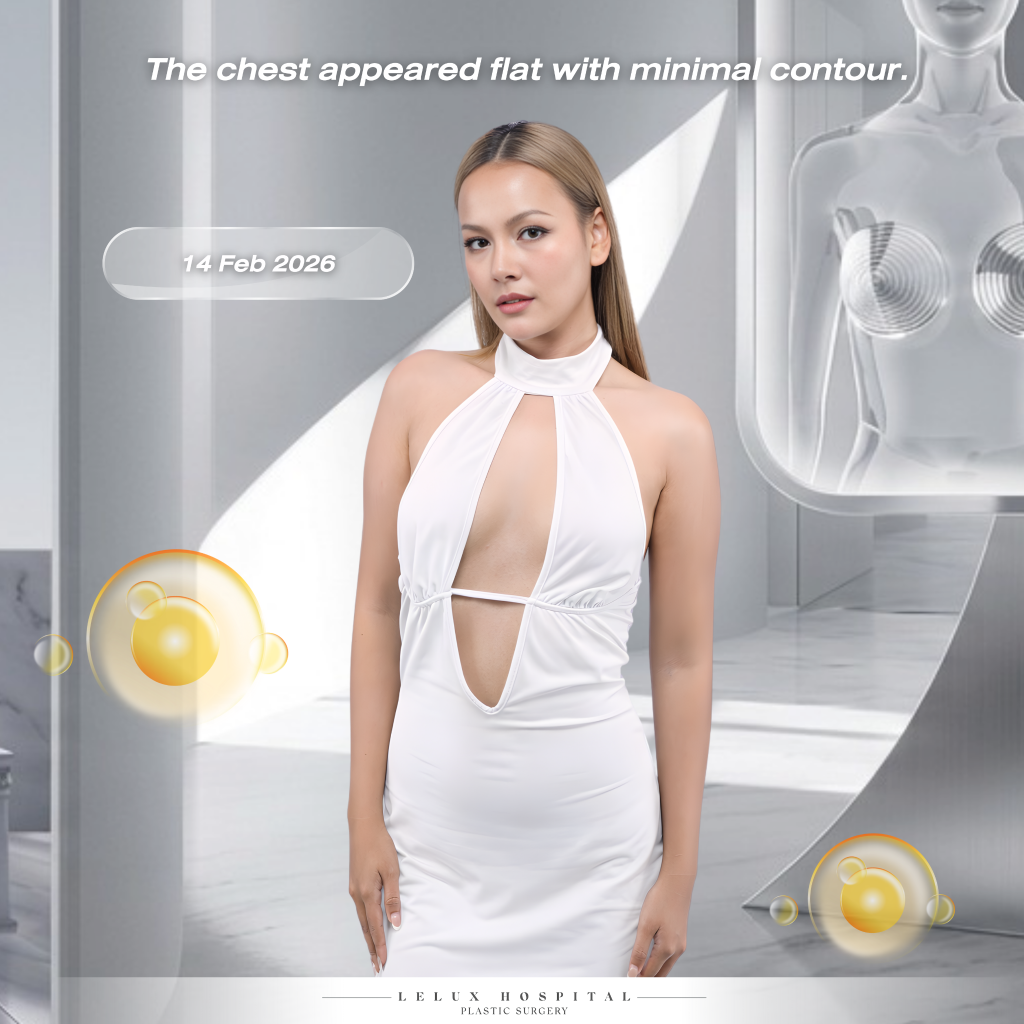
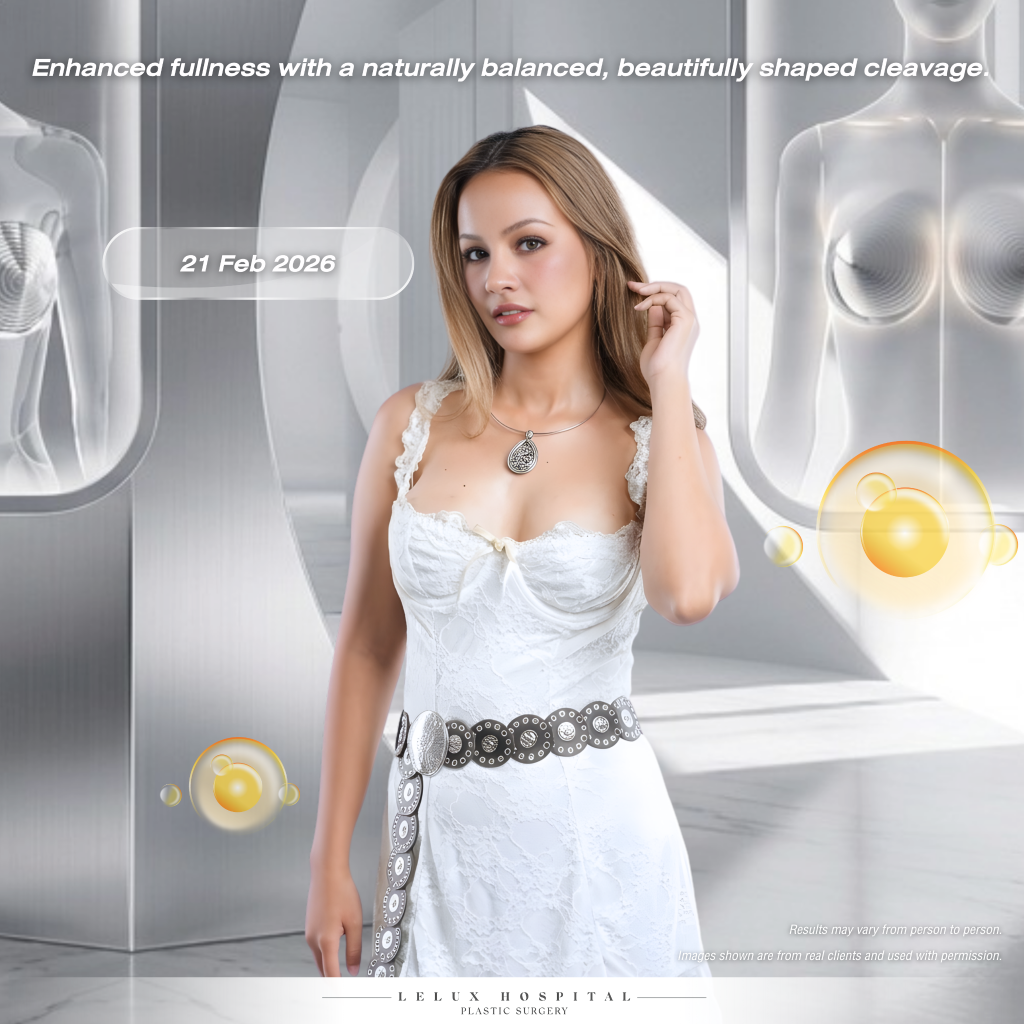
Breast Fat Transfer vs Breast Implants: Which Option Is Better?
Both breast fat transfer and breast implants can improve breast appearance, but they provide different benefits.
The best option depends on:
- Desired breast size
- Body structure
- Available fat volume
- Existing breast tissue
- Personal expectations
| Comparison | Breast Fat Transfer | Breast Implants |
| Material Used | Patient’s own fat | Medical-grade silicone implant |
| Appearance | Soft and natural | More defined volume |
| Size Increase | Small to moderate increase | Larger size enhancement possible |
| Feel | Similar to natural breast tissue | Depends on implant type |
| Scarring | Small liposuction marks | Incision depends on technique |
| Body Contouring | Includes fat reduction | No fat removal |
| Suitable For | Natural enhancement preference | Patients wanting more volume |
How Long Does Breast Fat Transfer Last?
One of the most common questions about breast fat transfer is:
“How long does transferred fat stay in the breasts?”
The answer depends on several factors, including the quality of transferred fat, surgical technique, individual body response, and post-procedure care.
After breast fat transfer, some fat cells may naturally be absorbed by the body during the early healing period. The remaining fat cells that successfully establish blood supply can become a long-term part of the breast tissue.
On average, transferred fat may remain for approximately 5–10 years or longer, depending on individual factors and lifestyle.
Factors That Affect Fat Survival After Breast Fat Transfer
The longevity of breast fat transfer results does not depend only on the surgeon. Several factors can influence fat survival.
1. Quality of Harvested Fat
High-quality fat cells collected through proper liposuction and purification techniques may have a better chance of survival after transfer.
2. Fat Purification Process
Before injection, harvested fat must go through a separation process to remove:
- Blood
- Fluids
- Unwanted tissue components
This helps obtain purified fat suitable for transfer.
3. Injection Technique
The technique used during fat injection is an important factor.
A layered fat grafting technique, where small amounts of fat are carefully placed into different layers of breast tissue, may help improve fat distribution and integration.
4. Individual Health Condition
Patients with good overall health and healthy blood circulation may support better fat survival after transfer.
5. Post-Procedure Care
After breast fat transfer, patients should follow medical advice, including:
- Avoiding pressure on the breasts
- Avoiding smoking
- Maintaining stable body weight
- Following follow-up appointments
Significant weight loss after the procedure may reduce breast volume because transferred fat cells respond similarly to normal body fat.
Breast Fat Transfer vs Breast Implants: Longevity Comparison
| Factor | Breast Fat Transfer | Breast Implants |
| Material | Patient’s own fat | Medical-grade silicone implant |
| Longevity | Fat may remain for many years depending on survival rate | Designed for long-term use |
| Natural Feel | Very soft and natural | Depends on implant type |
| Size Change | Small to moderate enhancement | Larger size enhancement possible |
| Future Procedures | Some patients may need additional fat transfer | Replacement may be considered if problems occur |
| Weight Changes | Breast volume may change with weight loss or gain | Usually less affected by weight changes |
Does Breast Fat Transfer Need Repeat Injections?
Breast fat transfer does not always require additional procedures.
However, some patients may need a second session if:
- A significant amount of fat is absorbed
- The patient wants additional volume
- Further breast contour improvement is desired
The need for repeat treatment depends on individual healing response and desired results.
Advantages of Breast Fat Transfer
Breast fat transfer offers several potential advantages for patients who prefer natural breast enhancement.
1. Natural Appearance and Feel
Because the procedure uses the patient’s own fat, the breasts may have a soft texture and natural movement.
2. Uses Your Own Body Fat
The procedure does not require synthetic implants. This may be suitable for patients who prefer using their own tissue.
3. Body Contouring Benefits
Fat is collected from areas with excess fat, such as:
- Abdomen
- Thighs
- Waist
- Hips
This allows patients to improve body contour while enhancing breast volume.
4. Smaller Incisions
Fat transfer uses small openings for liposuction and injection, which may result in less visible scars compared with some breast implant procedures.
5. Can Be Customized
Additional fat transfer may be considered in the future if patients desire further enhancement.
Limitations of Breast Fat Transfer
Although breast fat transfer provides natural results, patients should understand its limitations.
1. Limited Size Increase
Breast fat transfer is generally suitable for patients who want a subtle to moderate increase in breast size.
Patients seeking a significant increase in breast volume may require other options, such as breast implants.
2. Requires Enough Donor Fat
Patients with very low body fat may not have enough fat available for harvesting.
3. Some Fat Absorption Is Expected
A portion of transferred fat may naturally be absorbed by the body during the healing process.
This is normal and may affect the final breast volume.
4. Possible Need for Additional Treatment
Some patients may require additional fat transfer sessions to achieve their preferred size or shape.
Is Breast Fat Transfer a Safe Procedure?
Breast fat transfer is considered a surgical procedure and should be performed by qualified plastic surgeons in a properly equipped medical facility.
Possible risks may include:
- Partial fat absorption
- Fat necrosis (damaged fat cells)
- Formation of small lumps or firmness
- Uneven breast contour
- Need for additional procedures
Choosing an experienced surgeon and a hospital with appropriate medical standards is important for safety and achieving natural-looking results.
Choosing the Right Breast Fat Transfer Technique
Successful breast fat transfer requires careful planning and precise techniques.
The process involves:
Fat Harvesting
Fat is carefully collected from selected areas using liposuction techniques.
Common donor areas include:
- Abdomen
- Thighs
- Waist
- Hips
Fat Purification
The harvested fat is processed to remove:
- Blood
- Excess fluids
- Damaged fat cells
Only purified fat is selected for injection.
Micro Fat Grafting Technique
The purified fat is injected into the breast tissue in small amounts and multiple layers.
This technique helps:
- Improve fat distribution
- Create smoother breast contours
- Support natural-looking results
Who Should Consider Breast Fat Transfer?
Breast fat transfer may be a suitable option for patients who:
✓ Prefer natural breast enhancement
✓ Do not want silicone implants
✓ Want a small to moderate increase in breast volume
✓ Have sufficient fat for harvesting
✓ Want additional body contouring from liposuction
A consultation with a plastic surgeon is essential to determine whether breast fat transfer is appropriate.
Why Choose Lelux Hospital for Breast Fat Transfer in Thailand?
Choosing the right hospital is an important step for breast fat transfer surgery. The procedure requires careful fat harvesting, purification, and injection techniques to achieve natural-looking results.
At Lelux Hospital Thailand, breast fat transfer is planned based on each patient’s:
- Body structure
- Available fat volume
- Breast shape
- Personal goals
The hospital focuses on:
- Experienced plastic surgeons
- Standard medical facilities
- Advanced fat grafting techniques
- Careful fat purification process
- Follow-up care after treatment
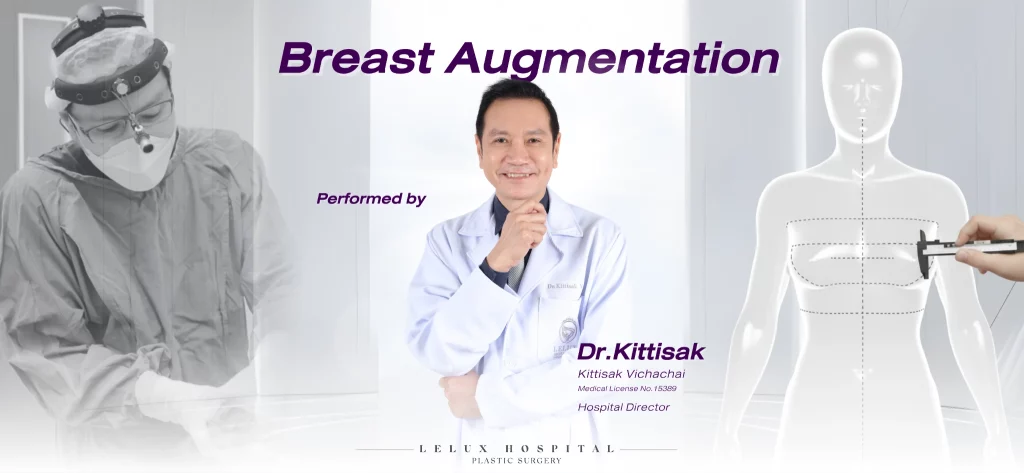
Personalized Consultation with Dr. Kittisak Vichachai
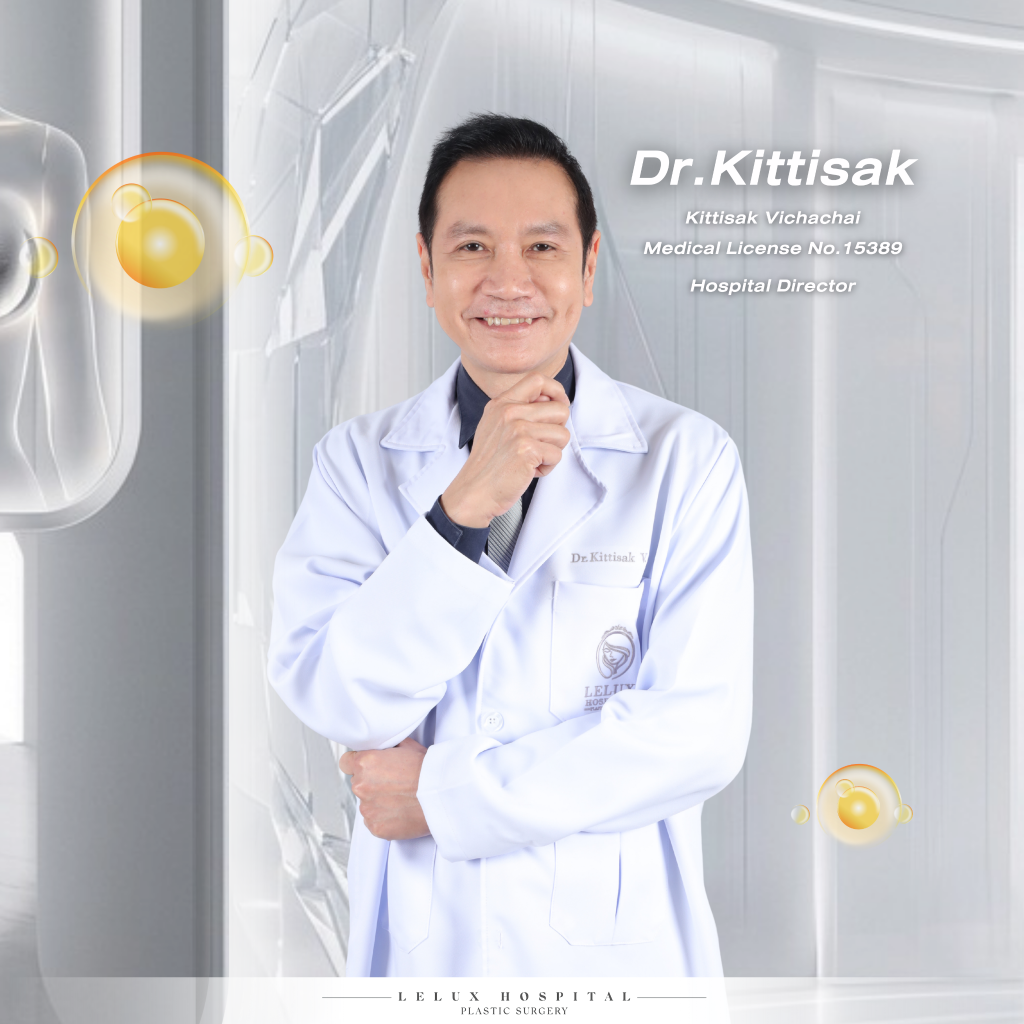
Dr. Kittisak Vichachai
Medical License No. 15389
Hospital Director, Lelux Hospital
Dr. Kittisak evaluates each patient individually, including body proportion, breast condition, available fat, and desired results, before recommending a suitable breast enhancement approach.
The goal is to create a treatment plan that matches each patient’s anatomy and expectations.
Breast Fat Transfer Procedure
The procedure usually includes the following steps:
1. Consultation and Planning
The surgeon evaluates:
- Body shape and fat availability
- Desired breast size and shape
- Suitable treatment plan
2. Fat Harvesting
Excess fat is collected from areas such as:
- Abdomen
- Thighs
- Waist
- Hips
using liposuction techniques.
3. Fat Purification
The harvested fat is processed to remove fluids and impurities, leaving purified fat cells for transfer.
4. Fat Injection (Micro Fat Grafting)
Purified fat is carefully injected into the breast tissue in small layers to create a smooth and natural breast contour.
5. Recovery and Follow-Up
After treatment, patients receive instructions for proper care and follow-up appointments.
Recovery After Breast Fat Transfer
Recovery varies from person to person.
General guidelines include:
First Few Days
- Mild swelling or bruising may occur
- Discomfort can be managed with medication
During Recovery
Patients should:
- Avoid pressure on the breasts
- Avoid heavy exercise
- Avoid smoking
- Maintain a stable weight
- Attend follow-up appointments
Following medical advice helps support fat survival and healing.
Is Breast Fat Transfer Safe?
Breast fat transfer is generally considered a safe procedure when performed by a qualified plastic surgeon in a proper medical facility.
Possible risks may include:
- Partial fat absorption
- Fat necrosis
- Small lumps or firmness
- Uneven breast contour
- Need for additional treatment
A medical consultation is important to evaluate suitability and discuss realistic expectations.
Frequently Asked Questions (FAQ)
Is breast fat transfer painful?
During the procedure, anesthesia is used to minimize discomfort. After surgery, patients may experience mild soreness or bruising around the liposuction and injection areas.
How long does breast fat transfer last?
Transferred fat that survives the healing process can remain for many years. Results vary depending on individual factors, including body condition and aftercare.
Do I need repeat fat transfer?
Some patients may require additional sessions if they want more volume or if some transferred fat is naturally absorbed.
Can I breastfeed after breast fat transfer?
In many cases, breastfeeding may still be possible. Patients planning future pregnancy should discuss this with their surgeon before treatment.
Who is not suitable for breast fat transfer?
Patients with insufficient fat, certain medical conditions, or heavy smoking habits may require additional evaluation before surgery.
How long does the procedure take?
The procedure usually takes approximately 2–3 hours, including fat harvesting, purification, and fat injection. Many patients can return home on the same day.
Breast Fat Transfer in Thailand is an option for patients who want natural breast enhancement using their own fat without silicone implants.
At Lelux Hospital, each treatment plan is personalized according to body structure, available fat, and desired results, with careful evaluation by experienced medical professionals.