
Breast augmentation, also known as breast implant surgery or a “boob job,” is a cosmetic procedure designed to enhance breast size, improve breast shape, and create better body proportion. For international patients considering breast augmentation in Thailand, understanding the available implant types, surgical process, recovery, and safety considerations is an important first step.
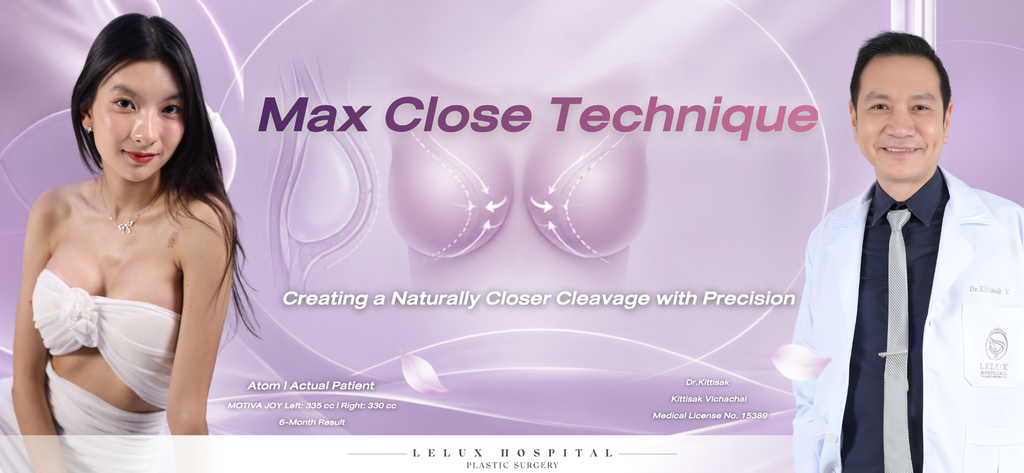
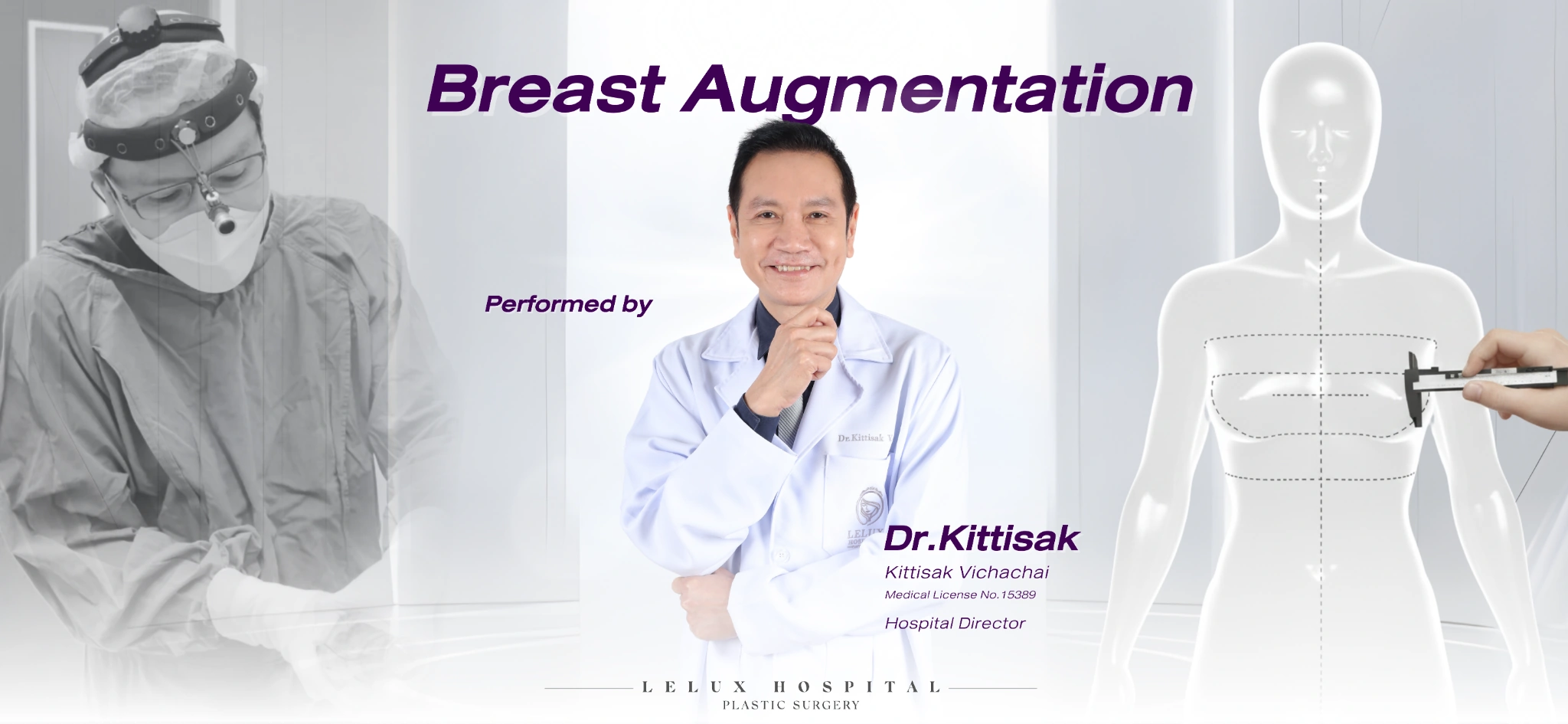
At Lelux Hospital in Thailand, each breast augmentation case is carefully assessed by Dr. Kittisak Vichachai, Medical License No. 15389, Hospital Director of Lelux Hospital. As a medical instructor, Dr. Kittisak evaluates the patient’s concerns, body structure, existing breast tissue, lifestyle, and aesthetic goals before recommending a suitable breast implant option.
Breast augmentation at Lelux Hospital is planned according to each patient’s anatomy, skin condition, body proportion, and personal expectations. The most suitable implant size and shape should always be recommended after a medical consultation, rather than choosing based only on trends or implant volume.
Results vary from person to person. A natural-looking outcome depends on many factors, including anatomy, implant selection, surgical technique, healing process, and proper aftercare.
What Is Breast Augmentation?
Breast augmentation is a surgical procedure that uses breast implants to increase breast volume, improve breast symmetry, or reshape the breasts. It may be suitable for patients who want fuller breasts, better body proportion, or restoration of breast volume after pregnancy, weight loss, or previous surgery.
The procedure is usually performed under general anesthesia in a hospital operating room. Before surgery, patients should receive a medical evaluation and discuss their expectations, implant options, possible risks, and recovery plan with the surgeon.
Who May Be Suitable for Breast Augmentation?
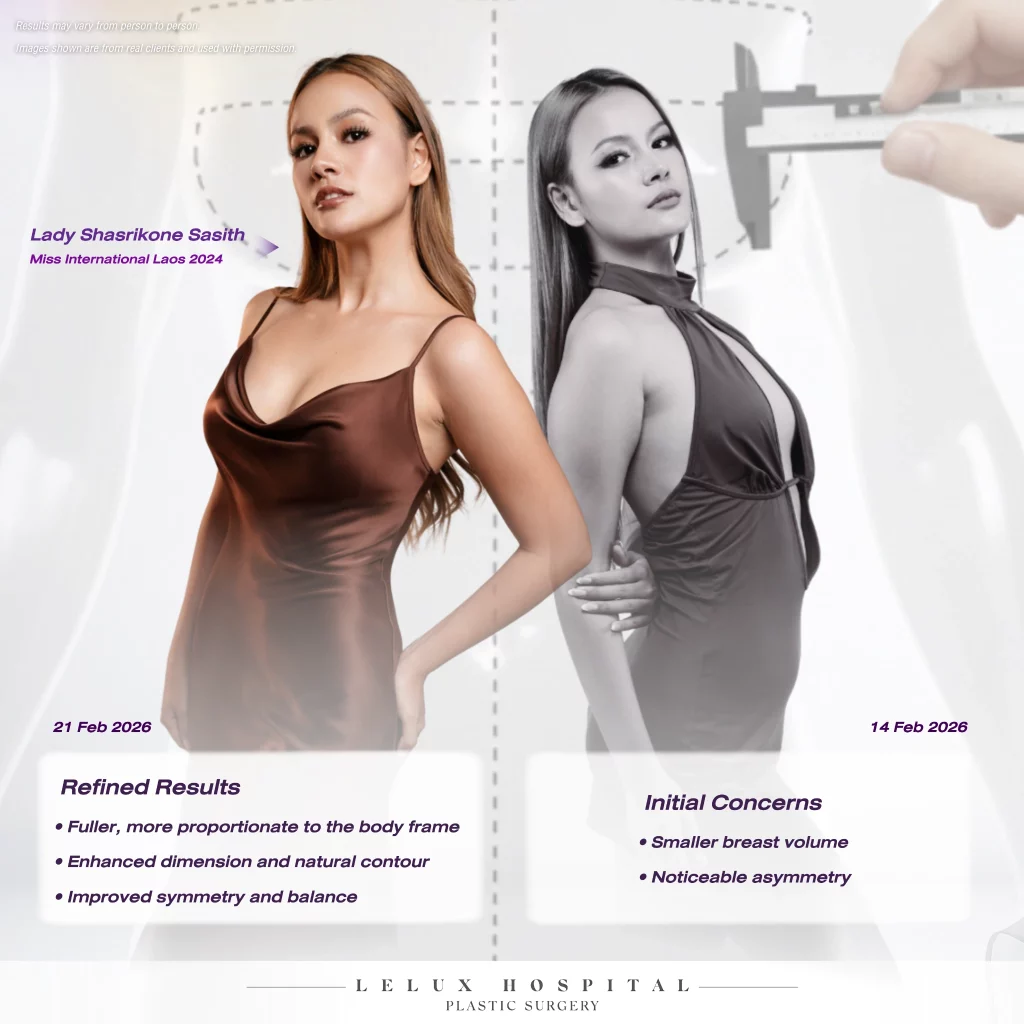
Breast augmentation may be considered by patients who have:
Small or naturally flat breasts
Uneven or asymmetrical breasts
Wide-set breasts
Loss of volume after pregnancy or weight changes
Mild sagging with volume loss
Breast shape changes after previous surgery
A consultation is necessary to determine whether breast augmentation alone is appropriate or whether another procedure, such as a breast lift, may be recommended.
Round vs. Teardrop Breast Implants
There are two commonly discussed breast implant shapes: round implants and teardrop implants.
Round Breast Implants
Round breast implants can help create a fuller upper breast shape and more visible cleavage. They are often considered for patients who want a more noticeable breast enhancement or a fuller look.
Teardrop Breast Implants
Teardrop implants, also called anatomical implants, are designed to mimic a more natural breast slope, with more volume in the lower part of the breast. They may be suitable for patients who prefer a subtle, natural-looking breast contour.
The best implant shape depends on the patient’s chest structure, breast tissue, skin elasticity, and desired result.
Breast Implant Brands: Motiva and Mentor
Patients may have different implant brand options, such as Motiva breast implants or Mentor breast implants, depending on availability and suitability. Each implant brand may differ in texture, softness, shape, projection, and technology.
There is no single “best” implant for everyone. The right breast implant should be selected based on medical assessment, patient anatomy, lifestyle, and expected breast shape.
Implant Surface and Texture
Breast implants may come in different surface types, such as smooth, textured, or nano-textured surfaces. Each type has different characteristics, and the surgeon will explain which option may be more suitable for the patient.
Important factors when choosing breast implants include:
Implant shape
Implant size
Implant texture
Implant brand
Existing breast tissue
Chest width
Skin thickness
Desired level of fullness
Patients should also make sure that the implants are genuine and come with proper documentation, product details, and warranty information.
Surgical Incision Options
Breast augmentation can be performed through different incision areas, including:
Under the breast fold
Around the areola
Under the armpit
Some patients may be suitable for endoscopic breast augmentation, which uses a small camera to help guide the surgery through a smaller incision, commonly in the underarm area. This technique may help reduce visible scarring in suitable patients, but the final scar appearance depends on individual healing.
How to Choose the Right Implant Size
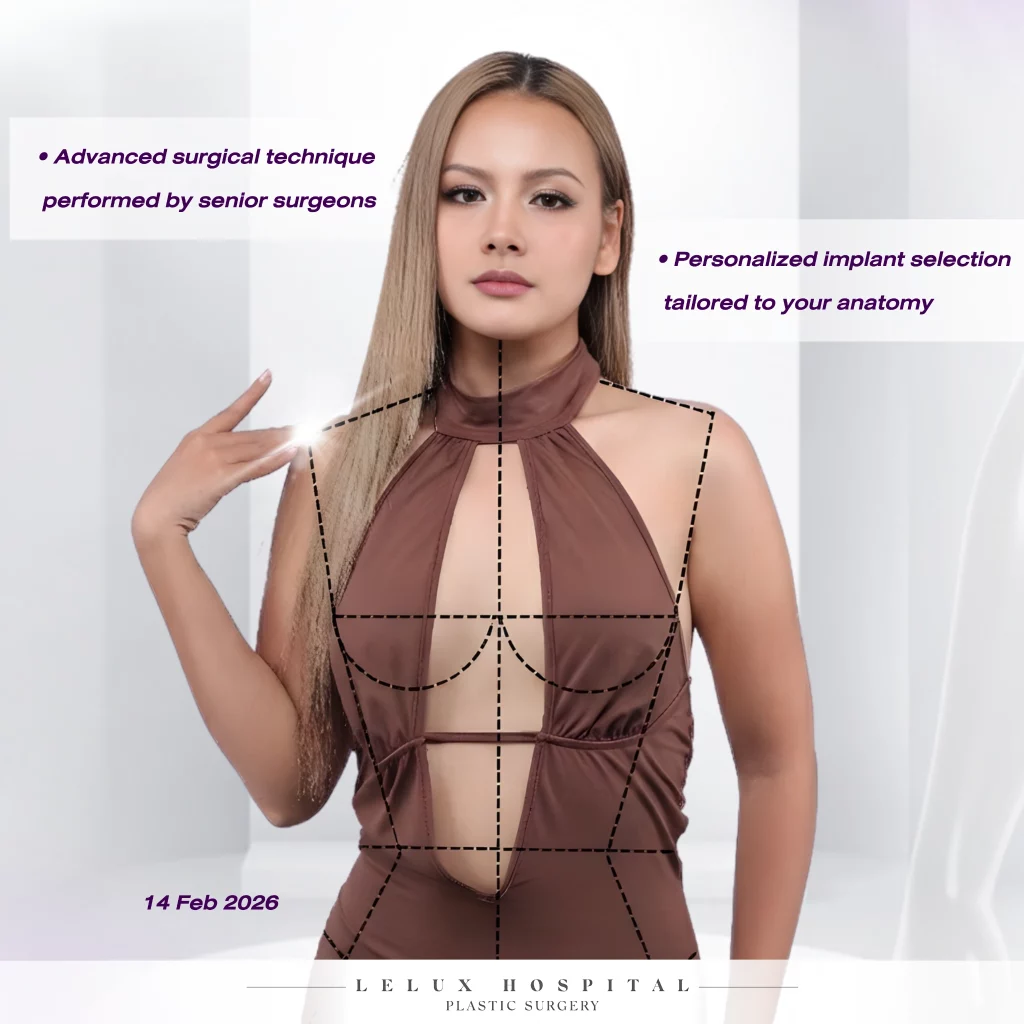
Breast implant size is usually measured in cubic centimeters, or CC. Common implant sizes may include 200cc, 300cc, or 400cc, but the right size is different for every patient.
A smaller implant may create a subtle and natural change.
A medium implant may create a more noticeable enhancement.
A larger implant may create a fuller look but may not be suitable for every body type.
Choosing an implant that is too large for the patient’s body can increase the chance of discomfort, unnatural results, or the need for future revision surgery. A balanced size should match the patient’s chest width, skin quality, breast tissue, and desired appearance.
Is Breast Augmentation Safe?
Breast augmentation is a surgical procedure, so it carries risks like any surgery. Possible side effects may include swelling, bruising, pain, numbness, reduced sensitivity, infection, implant movement, capsular contracture, or the need for revision surgery.
The risk can be reduced by choosing a qualified surgeon, having the procedure in a hospital setting, using genuine implants, following pre-operative instructions, and taking proper care after surgery.
Patients should receive clear information before making a decision and should never feel pressured to choose surgery.
Breast Augmentation Procedure: What to Expect
A typical breast augmentation journey may include:
Consultation with the surgeon
Physical examination and medical assessment
Discussion of implant size and shape
Pre-operative blood test, chest X-ray, or other required tests
General anesthesia before surgery
Breast implant surgery according to the treatment plan
Hospital recovery and post-operative monitoring
The surgery may take approximately 1.5 to 2 hours, depending on the technique and patient condition. Some patients may be advised to stay at the hospital for one night for observation.
Preparing Before Breast Augmentation
Before breast augmentation surgery, patients should inform the medical team about:
Chronic diseases
Current medications
Supplements or herbal products
Drug allergies
Previous breast surgery
Mammogram or breast screening history
Patients may be advised to stop smoking and drinking alcohol before surgery, avoid certain medications such as blood thinners, and fast for at least 6 hours before the procedure, depending on the doctor’s instructions.
Comfortable, easy-to-wear clothing is recommended on the day of surgery. International patients should also plan enough time in Thailand for consultation, surgery, early recovery, and follow-up.
Recovery After Breast Augmentation
Initial recovery after breast augmentation often takes about 1 week, although many patients may feel comfortable doing light daily activities within a few days. Swelling, tightness, soreness, and bruising are common during the early recovery period.
In the first 7 days, patients may experience swelling and pressure around the breasts.
Within 1 to 2 weeks, bruising usually begins to improve.
Numbness or reduced sensitivity may occur and often improves gradually.
The breasts may start to look more natural after about 1 month.
Final settling may take around 3 to 6 months.
Implants may feel softer after about 2 to 3 months, depending on implant size, skin thickness, healing response, and aftercare.
Recovery time varies for each patient, so it is important to follow the surgeon’s instructions closely.
Aftercare Tips After Breast Augmentation
After surgery, patients should:
Keep the incision area dry during the first few days
Avoid heavy lifting for at least 4 weeks
Avoid strenuous exercise until approved by the surgeon
Sleep on the back with the upper body slightly elevated
Wear a supportive bra as recommended
Avoid underwire bras during the early recovery period
Avoid smoking and alcohol during the healing period
Attend follow-up appointments as scheduled
Patients should contact the hospital if they notice unusual pain, increasing swelling, fever, bleeding, discharge, or any other concerning symptoms.
Why International Patients Choose Lelux Hospital
For international patients searching for breast augmentation Thailand, breast implants Thailand, or boob job Thailand, choosing a hospital should be based on safety, medical standards, surgeon consultation, clear communication, and realistic expectations.
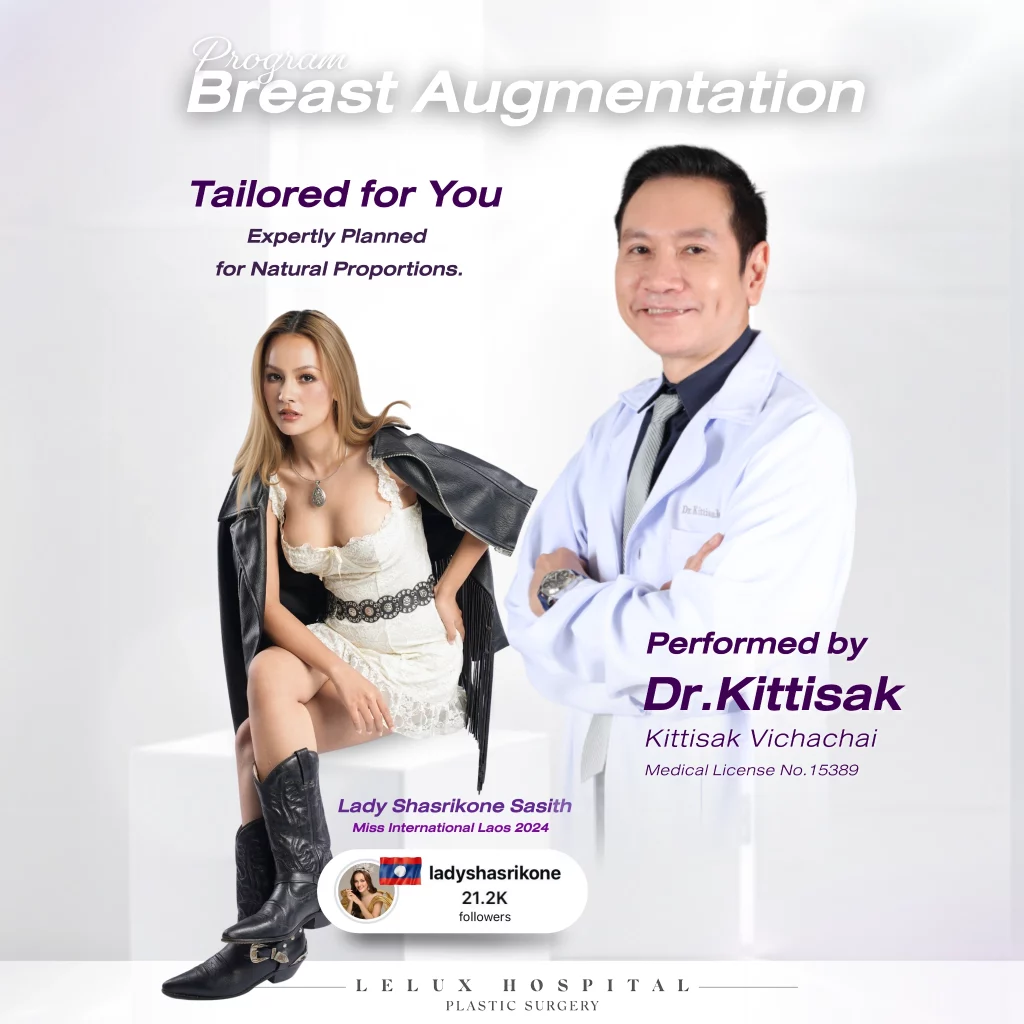
At Lelux Hospital, consultation is led by Dr. Kittisak Vichachai, Medical License No. 15389, Hospital Director of Lelux Hospital. He carefully assesses each patient’s breast concerns, body structure, and desired outcome before recommending an implant size and shape that may suit the individual’s anatomy.
Before deciding on breast augmentation, patients are encouraged to consult the medical team, ask questions, review the treatment plan, and understand both the benefits and possible risks.
Book a Breast Augmentation Consultation in Thailand
If you are considering breast augmentation in Thailand, a consultation is the best way to understand your options. The surgeon can evaluate your body shape, recommend suitable breast implant types, explain the recovery process, and help you decide whether the procedure is right for you.
Breast augmentation should be a personal and well-informed decision, guided by medical advice and realistic expectations.