
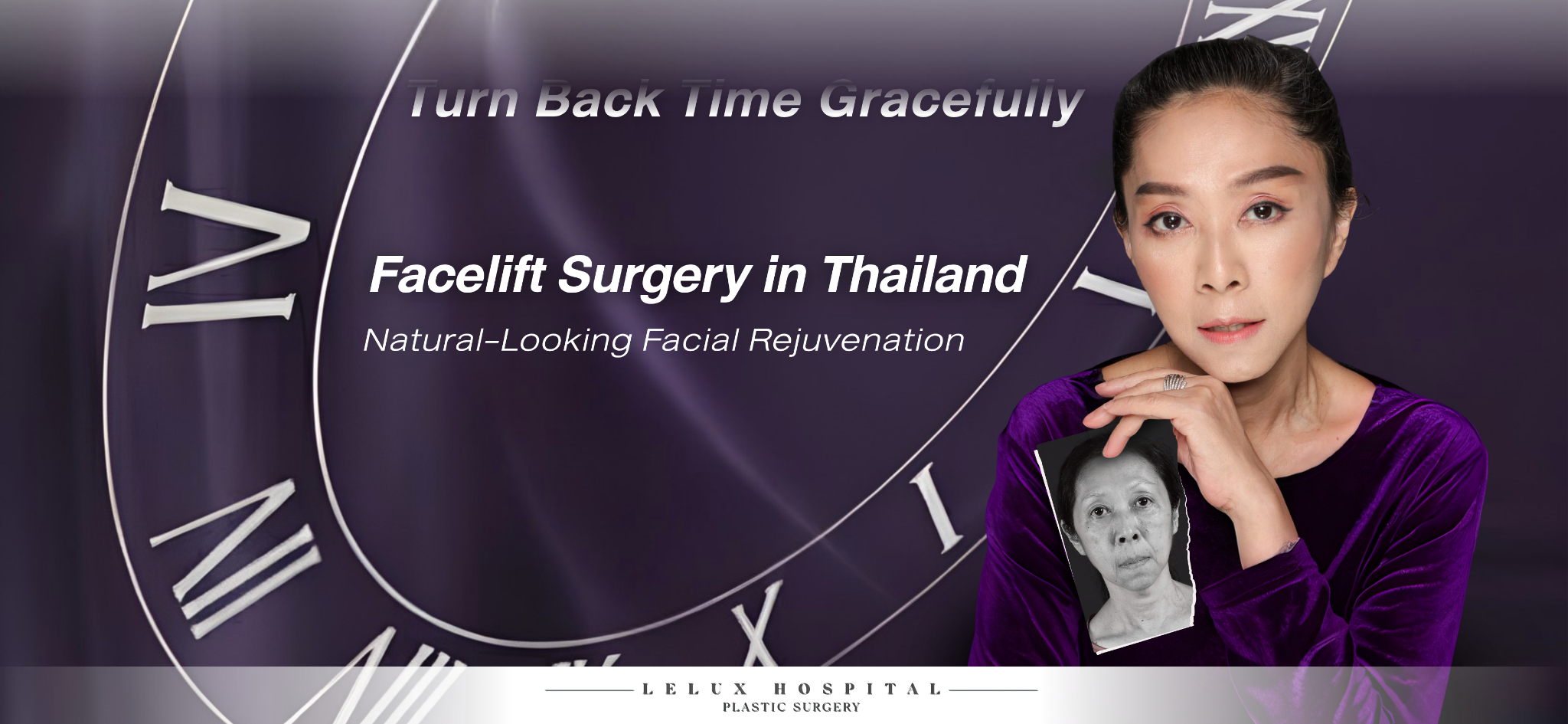
Facial aging is a natural process. Over time, changes in skin elasticity, facial fat, and deeper supporting tissues may contribute to sagging cheeks, jowls, deeper facial folds, and loose skin around the jawline and neck.
Facelift surgery, medically known as rhytidectomy, is designed to reposition and support facial tissues while removing or adjusting excess skin when appropriate. The goal is not to change a patient’s identity, but to create a smoother and more balanced facial contour that remains appropriate for their natural features.
At Lelux Hospital in Thailand, facelift treatment is planned according to each patient’s facial anatomy, degree of skin laxity, medical condition, aesthetic concerns, and expected outcome.
Depending on the individual assessment, treatment may involve a facelift, face and neck lift, or High-SMAS / High Extended SMAS technique. Lelux Hospital lists High Extended SMAS Face and Neck Lift among its available facelift procedures.
What Is Facelift Surgery?
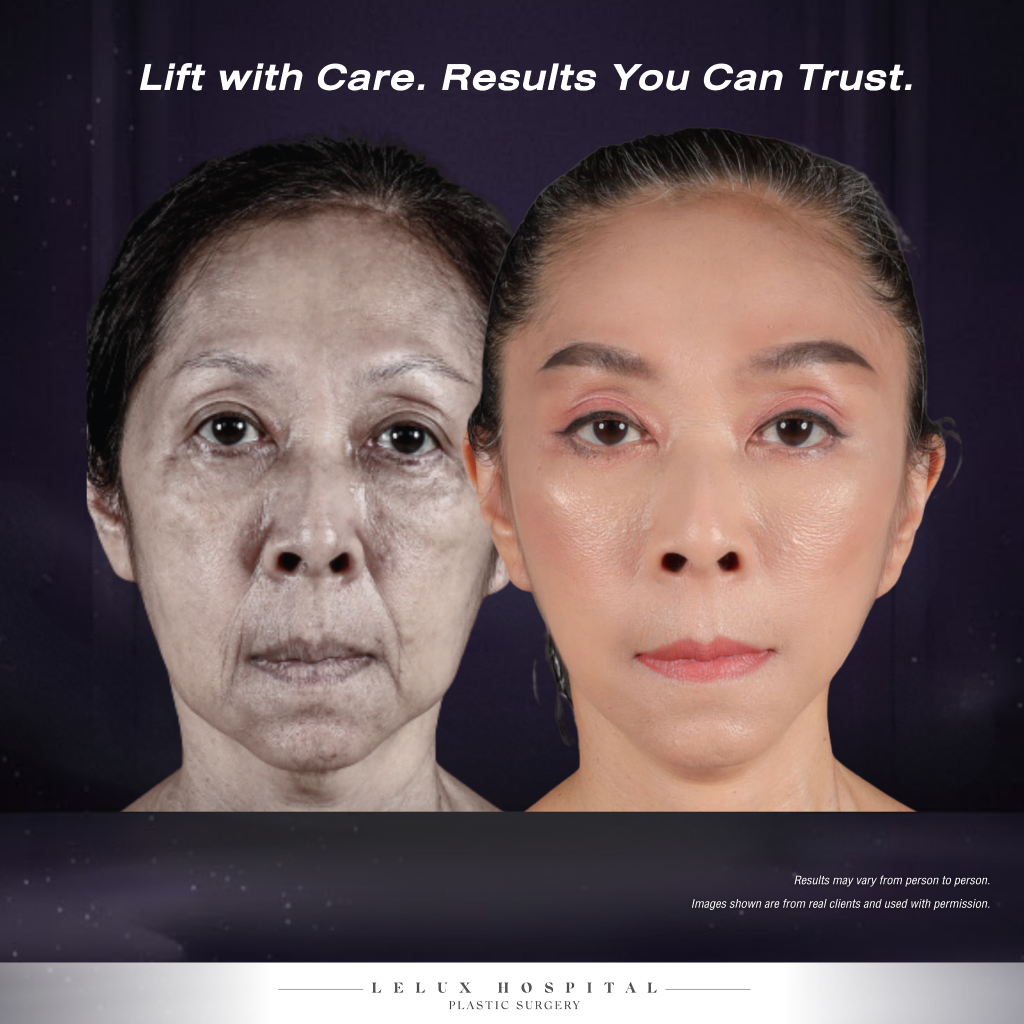
A facelift is a surgical procedure that improves visible signs of aging in the face and, in some cases, the neck.
Rather than tightening only the skin, modern facelift techniques may involve repositioning deeper facial structures to improve facial contours while avoiding an excessively tight appearance.
Facelift surgery may help improve concerns such as:
- Sagging skin in the lower face
- Jowls along the jawline
- Loss of definition around the jaw and neck
- Deep facial folds
- Loose skin around the face and neck
- Changes in facial contours caused by aging and tissue descent
The American Society of Plastic Surgeons describes facelift surgery as a procedure used to improve signs such as facial sagging, deep folds, jowls, and loose skin or excess fat around the neck.
Concerns such as drooping eyebrows, eyelid changes, or crow’s feet are not primarily treated by a facelift. Depending on the patient’s needs, a plastic surgeon may recommend additional procedures such as a brow lift, eyelid surgery, or appropriate non-surgical treatment.
Who May Consider Facelift Surgery?
Facelift surgery may be considered by individuals who are concerned about visible facial aging and want a more defined facial contour.
Potential candidates may include patients who:
- Have noticeable facial or neck skin laxity
- Have developed jowls along the jawline
- Have deeper nasolabial or marionette lines associated with facial tissue descent
- Notice sagging around the cheeks, lower face, or neck
- Feel that facial aging makes them appear older or more tired than they would like
- Want a longer-lasting surgical approach compared with temporary non-surgical treatments
- Are in suitable general health for surgery
- Have realistic expectations regarding the outcome
Suitability is determined individually. General health, smoking status, medications, previous procedures, skin condition, facial anatomy, and healing ability should all be evaluated before surgery.
High-SMAS Facelift: What Does It Mean?
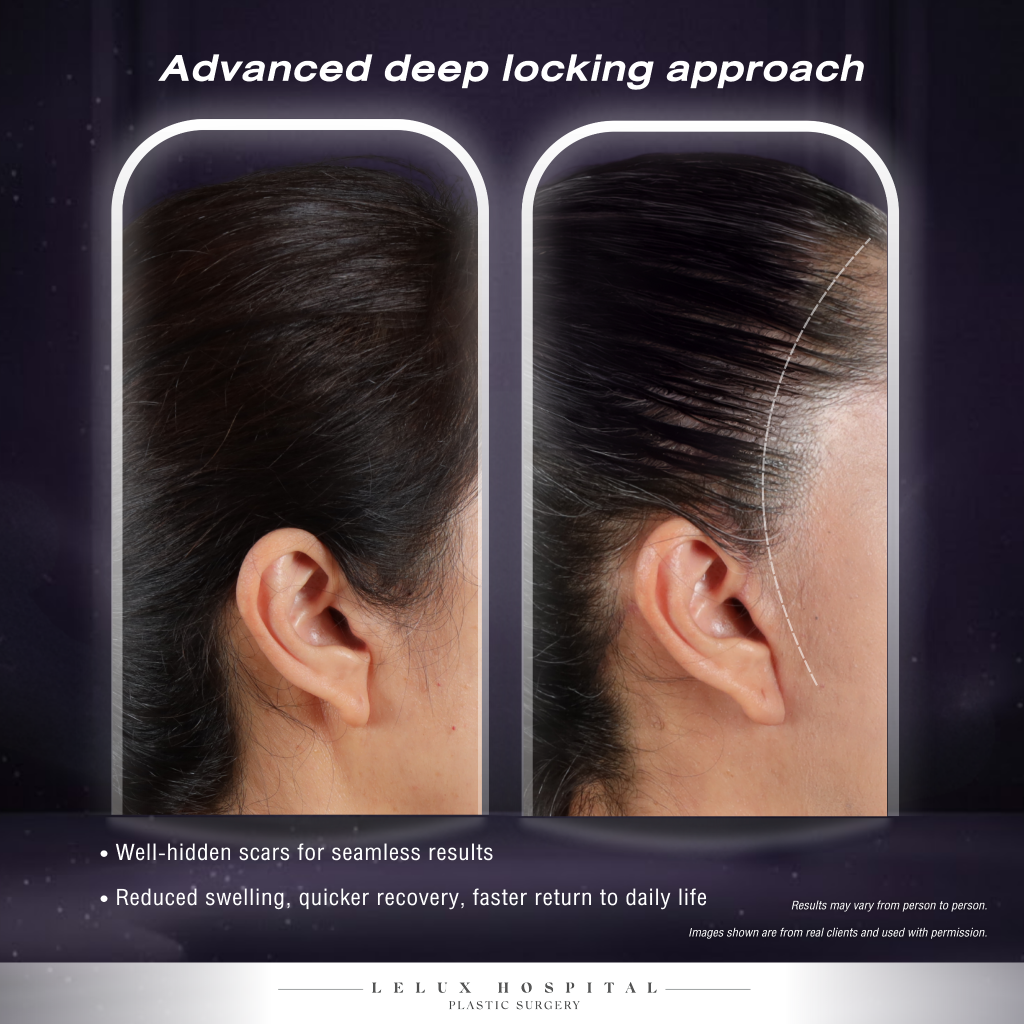
The SMAS, or superficial musculoaponeurotic system, is a layer of tissue beneath the skin that contributes to facial support and contour.
In a SMAS facelift, the surgeon works with deeper supporting tissues rather than relying only on skin tightening. Repositioning these structures may help create improved definition through the lower face and jawline while allowing the overlying skin to be redraped more naturally.
Lelux Hospital includes High Extended SMAS Face and Neck Lift among its facelift options. According to the hospital’s procedure information, this technique is intended to address tissue laxity affecting the mid-to-lower face, jowls, jawline, and neck.
The appropriate technique is selected after an individual facial assessment. A High-SMAS facelift is not necessarily the best option for every patient.
Potential Benefits of Facelift Surgery
Facelift surgery may provide several aesthetic benefits when appropriately selected and performed.
Improved Facial Contours
Repositioning deeper tissues can help improve definition around the cheeks, lower face, jawline, and neck.
Reduction of Sagging
The procedure may improve loose or descended facial tissues associated with aging.
More Defined Jawline and Neck
Face and neck lift techniques may be considered when jowls or loose neck skin affect facial definition.
Natural-Looking Facial Rejuvenation
The objective of modern facelift surgery is generally to restore and reposition existing facial structures rather than create an unnaturally tight appearance.
Long-Lasting Improvement
Facelift surgery can provide results that remain visible for many years. However, no facelift can stop the natural aging process, and the duration of results varies according to surgical technique, age, skin quality, lifestyle, weight changes, sun exposure, and individual anatomy.
For this reason, a specific result duration should not be guaranteed for every patient.
Why Consider Lelux Hospital for Facelift Surgery in Thailand?
For international patients researching facelift surgery in Thailand, the hospital environment, surgeon qualifications, surgical planning, anesthesia management, infection control, and follow-up care are important considerations.
Specialized Plastic Surgery Hospital
Lelux Hospital operates as a specialized plastic surgery hospital in Thailand and provides surgical and aesthetic services. Its official website lists dedicated surgical facilities and post-operative patient care.
HEPA-Filtered Operating Room System
The hospital reports using HEPA filtration and positive-pressure systems as part of its operating-room infection-control environment.
Modern Surgical Facilities
Operating facilities and equipment are designed for plastic surgery procedures, with surgical planning based on the patient’s individual anatomy and treatment requirements.
Anesthesia and Patient Monitoring
Facelift surgery may require local anesthesia with sedation or general anesthesia depending on the technique, procedure extent, patient’s health, and surgeon’s treatment plan. Anesthesia and perioperative monitoring should therefore be planned individually.
Post-Operative Care
Appropriate monitoring and follow-up are important components of facelift recovery. Lelux Hospital states that patients undergoing major surgical procedures receive post-operative monitoring and nursing care.
Facelift Consultation with Dr. Panop Metinum
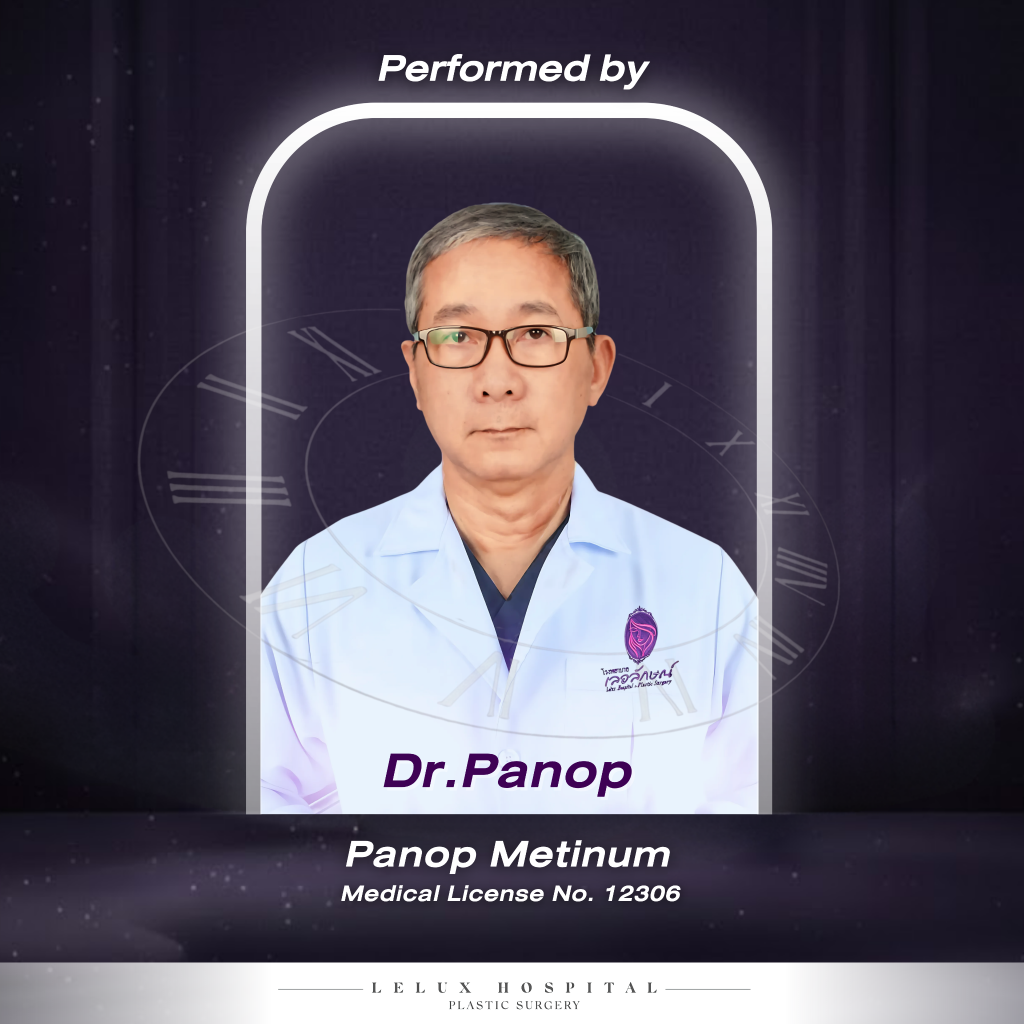
Dr. Panop Metinum
Medical License No. 12306
Dr. Panop Metinum is listed by Lelux as a physician in the fields of Surgery and Plastic Surgery, with facelift surgery included among his areas of practice.
Before recommending treatment, the consultation may include an assessment of:
- Facial structure and proportions
- Skin laxity
- Cheek and lower-face tissue descent
- Jowls and jawline definition
- Neck laxity
- Previous aesthetic procedures
- Medical history
- Patient expectations
Based on the evaluation, the surgeon can determine whether facelift surgery is appropriate and which surgical technique may best match the patient’s anatomy.
Facelift Surgery: Step-by-Step
Step 1: Consultation and Facial Assessment
The process begins with a detailed consultation.
The surgeon reviews the patient’s facial anatomy, areas of concern, medical history, previous treatments, and aesthetic goals.
Photographs may also be taken to assist with surgical planning.
Step 2: Pre-Operative Medical Evaluation
Before surgery, patients may require:
- Physical examination
- Blood testing
- Medical history review
- Medication and supplement review
- Allergy assessment
- Additional tests depending on age and medical condition
Patients should provide complete information about medications, supplements, underlying medical conditions, previous operations, and allergies.
Step 3: Anesthesia
The type of anesthesia depends on the procedure and treatment plan.
Some facelift procedures may be performed using local anesthesia with sedation, while more extensive face and neck lift procedures may require general anesthesia.
Step 4: Facial Tissue Repositioning
The surgeon creates incisions in locations selected according to the surgical technique.
The deeper facial tissues may then be repositioned or tightened. Excess skin is carefully adjusted before the incisions are closed.
The exact procedure differs according to the patient’s anatomy and whether a facelift, neck lift, High-SMAS facelift, or combination procedure is performed.
Step 5: Recovery and Follow-Up
After surgery, patients are monitored before being transferred to an appropriate recovery area.
The medical team provides instructions regarding wound care, medication, activity restrictions, sleeping position, and follow-up appointments.
Preparing for Facelift Surgery
Proper preparation can support a safer surgical and recovery process.
Patients should:
- Consult with a qualified plastic surgeon before deciding on surgery.
- Complete the required pre-operative health evaluation.
- Inform the medical team about all medications and supplements currently being taken.
- Follow the surgeon’s instructions regarding medications that may need to be adjusted or temporarily discontinued.
- Avoid smoking according to the surgeon’s recommendations, as smoking can interfere with circulation and wound healing.
- Prepare mentally with realistic expectations about the procedure and recovery.
- Arrange appropriate time for recovery and post-operative follow-up.
Medication should never be stopped or adjusted without medical advice.
Recovery After Facelift Surgery
Recovery varies depending on the extent of surgery, technique used, patient health, and individual healing response.
During the early recovery period, patients may experience:
- Swelling
- Bruising
- Tightness
- Temporary numbness
- Mild to moderate discomfort
- Changes in skin sensation
Visible improvements become clearer as swelling and bruising gradually decrease. Final healing and scar maturation take longer, and patients should follow their surgeon’s specific post-operative instructions.
International patients should discuss their travel schedule with the surgical team before booking return flights. The appropriate time to travel depends on the procedure and individual recovery.
Risks and Important Considerations
A facelift is a major surgical procedure and, like all surgery, involves potential risks.
Possible complications may include:
- Bleeding or hematoma
- Infection
- Scarring
- Delayed wound healing
- Temporary or persistent changes in sensation
- Facial nerve injury
- Hair loss near incision areas
- Skin healing problems
- Asymmetry
- Anesthesia-related complications
- Need for additional treatment or revision
Facelift risks and individual risk factors should be discussed directly with the plastic surgeon before surgery.
Choosing an appropriately qualified surgeon, undergoing proper medical evaluation, and following pre- and post-operative instructions are important parts of surgical care.
Facelift Surgery for International Patients in Thailand
International patients considering facelift surgery in Thailand should plan not only for the operation itself but also for consultation, medical evaluation, recovery, and follow-up.
Before traveling, patients should request information regarding:
- Recommended facelift technique
- Estimated treatment plan
- Required medical tests
- Anesthesia plan
- Expected recovery period
- Recommended length of stay in Thailand
- Follow-up schedule
- Total treatment-related costs
- Instructions for returning home safely
Providing photographs and medical information before traveling may help the medical team prepare for an initial assessment, although an in-person examination is normally required before a definitive surgical plan is confirmed.
Frequently Asked Questions About Facelift Surgery
How long can facelift results last?
Facelift results may remain visible for many years, but there is no exact duration that applies to everyone. Studies and professional guidance commonly describe results lasting for several years, with factors such as technique, aging, skin condition, lifestyle, weight stability, and sun exposure influencing longevity.
The natural aging process continues after surgery.
Will a facelift make my face look unnatural?
The objective is to reposition facial tissues and improve contours while maintaining the patient’s individual facial characteristics.
The result depends on anatomy, surgical technique, tissue condition, and treatment planning.
Can facelift surgery improve crow’s feet?
A facelift mainly treats tissue laxity in the face and neck. Crow’s feet are not usually the primary target of facelift surgery.
Other treatments may be recommended depending on the patient’s concerns.
Can a facelift improve jowls?
Yes. Jowls and loss of jawline definition are among the common concerns that facelift surgery may address.
Can a facelift be combined with a neck lift?
Yes. Face and neck lift surgery may be recommended when aging changes involve both the lower face and neck. Lelux Hospital lists Face and Neck Lift and High Extended SMAS Face and Neck Lift among its treatment options.
Can facelift surgery be combined with eyelid or brow surgery?
In selected patients, facelift surgery may be combined with procedures such as eyelid surgery or a brow lift when facial aging involves multiple areas. The safety and suitability of combining procedures must be assessed individually.
How much does facelift surgery cost in Thailand?
The cost varies depending on the surgical technique, areas treated, anesthesia requirements, hospital care, and whether other procedures are combined.
An individualized consultation is required before an accurate treatment quotation can be provided.
Personalized Facelift Consultation at Lelux Hospital
Facial aging affects every person differently. For this reason, facelift surgery should not follow a one-size-fits-all approach.
At Lelux Hospital in Thailand, facelift treatment is planned according to facial anatomy, skin condition, degree of tissue laxity, medical history, and individual aesthetic goals.
International patients interested in High-SMAS facelift surgery, face and neck lift surgery, or facial rejuvenation in Thailand can request a personalized consultation to determine which treatment options may be appropriate.
Individual results, recovery times, and surgical recommendations vary. A consultation with a qualified physician is required before treatment.